
Peninsula Scouts • Membership Support
Retention resources that keep youth engaged
Practical tools for packs, troops, crews, and posts to strengthen onboarding, deliver a great program, and build a culture that brings Scouts back—month after month.
What drives retention in a Scout unit
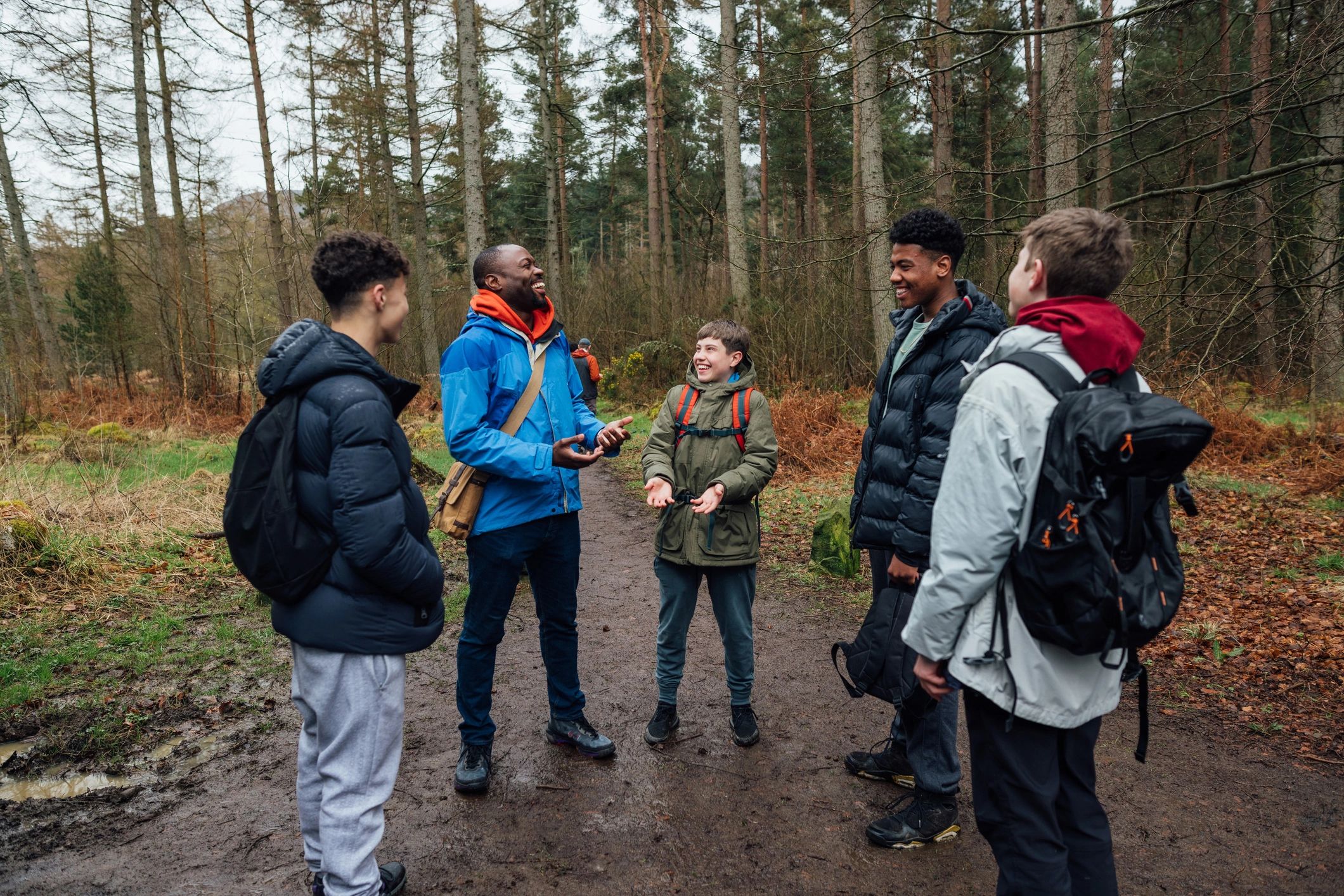
A welcoming start
Set expectations early, connect families quickly, and make the first 30 days feel successful.
A program youth help lead
Use youth-led planning, variety, and visible progress so meetings and outings feel worth showing up for.
Strong communication with families
Simple, consistent updates reduce confusion and help parents support attendance and advancement.
Retention toolkits you can use right away
Pick a starting point and share it with your committee, key 3, or youth leadership. These resources are designed to be copied, adapted, and put into practice.

Onboarding & first-30-days checklist
A simple sequence for welcoming new Scouts and families, assigning a buddy, and ensuring early wins.

Program quality & engagement ideas
Meeting and outing planning prompts that keep activities active, varied, and aligned to what youth want.

Family communication & re-engagement
Ready-to-send messages for reminders, missed-meeting follow-up, and “we’d love to see you back” outreach.
Retention FAQs
Common questions unit leaders ask when attendance drops or families drift away.
What should we do when a Scout misses a few meetings?
Reach out within 48 hours with a friendly check-in, share what they missed, and invite them to the next “can’t-miss” activity. Keep it supportive, not disciplinary.
How do we keep older youth engaged?
Increase ownership: let youth choose themes, plan outings, and lead skills instruction. Add high-adventure, service with impact, and leadership roles that feel real.
What’s the best way to set expectations with parents?
Use a short “how our unit works” guide: calendar, costs, attendance norms, communication channels, and how adults can help. Review it at joining and again mid-year.
How do we improve meeting quality quickly?
Start with a consistent meeting plan (opening, skills, game, patrol time, closing) and assign roles. End every meeting with a clear preview of the next one.
How can we reduce burnout among adult leaders?
Share the load with small, defined jobs, rotate responsibilities, and plan the year in advance. A sustainable adult team is a retention strategy.
What if families say they’re “too busy”?
Offer a clear path back: highlight one upcoming event, explain what “minimum participation” looks like, and keep them connected with simple updates until they rejoin.
Need a plan for your unit?
Get help building a retention playbook
Tell us your unit type and what you’re seeing (attendance, advancement, parent engagement). We’ll point you to the right tools and next steps.